
- Overview
- Trip Outline
- Trip Includes
- Trip Excludes
- Gallery
- Reviews
- Booking
- FAQ
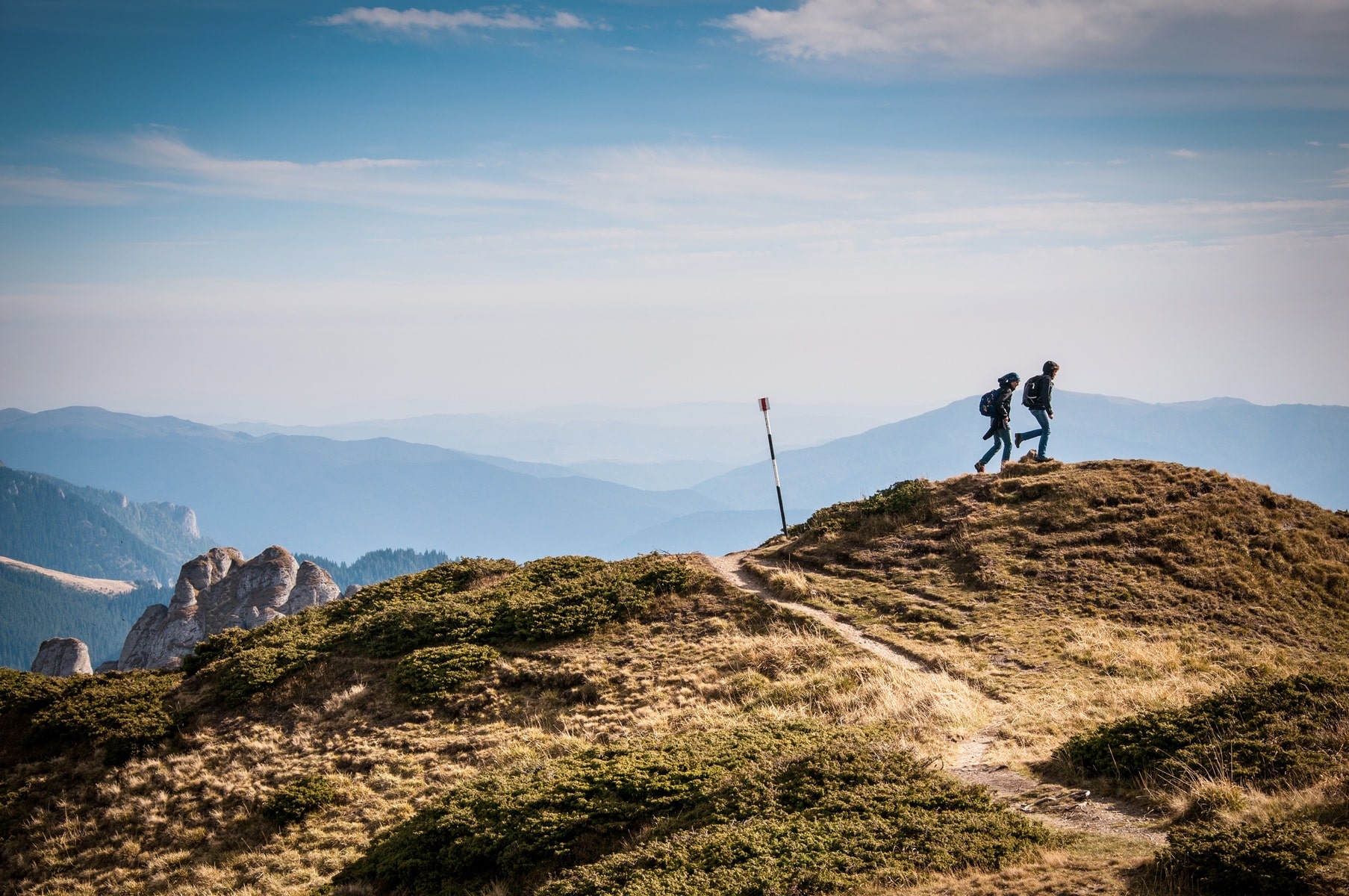
Gosaikunda is a sacred alpine lake located in the Langtang National Park of Nepal, revered by both Hindus and Buddhists. Nestled at an altitude of 4,380 meters, it is believed to be the abode of the Hindu deity Shiva. The lake attracts pilgrims, especially during the festival of Janai Purnima, and offers stunning views of surrounding snow-capped peaks. The region features diverse flora and fauna and serves as a popular trekking destination, with trails leading from Langtang Valley. Gosaikunda is not only a site of spiritual significance but also a showcase of Nepal's natural beauty.
Itinerary for the Trek
Itineraries
Day 1
Arrival and City Tour
- Morning: Arrive at your destination. Check into your accommodation.
- Afternoon: Take a guided city tour. Explore historical landmarks, local markets, and enjoy a traditional lunch.
- Evening: Dinner at a local restaurant and a leisurely evening stroll.
Day 2
Hiking Adventure
- Morning: Early breakfast, then head to a nearby national park or hiking trail.
- Hiking: Choose a moderate trail (4-6 hours) that offers scenic views. Bring snacks and water.
- Afternoon: Return from the hike and relax at your accommodation.
- Evening: Explore the local dining scene or attend a cultural event.
Day 3
Cultural Excursion
- Morning: Visit a nearby village or cultural site. Take a guided tour to learn about local traditions.
- Afternoon: Participate in a workshop (crafts, cooking, etc.) and enjoy a local meal.
- Evening: Return to your accommodation and enjoy a quiet night.
Day 4
Scenic Hike and Nature Tour
- Morning: Head to a different hiking area with unique landscapes (mountains, lakes, etc.).
- Hiking: Opt for a longer hike (6-8 hours) or a guided nature walk focusing on flora and fauna.
- Afternoon: Picnic lunch amidst nature. Return in the late afternoon.
- Evening: Relax at your accommodation or enjoy a sunset at a viewpoint.
Day 5
Departure
- Morning: Leisurely breakfast. Last-minute shopping or a brief visit to a local attraction.
- Afternoon: Check out of your accommodation and depart for home or your next destination.
Here are seven common items we provide for your trekking and travel experience:
- Backpack: A comfortable and durable backpack to carry your gear.
- Water Bottle: A reusable, insulated bottle to keep you hydrated.
- First Aid Kit: Basic supplies for minor injuries and emergencies.
- Clothing Layers: Quick-dry and weather-appropriate clothing, including a waterproof jacket.
- Navigation Tools: Maps, compass, or GPS device to keep you on track.
- Snacks: Energy-boosting snacks like nuts, energy bars, or dried fruit.
- Headlamp/Flashlight: Essential for navigating in low-light conditions, especially at night.
Here are common items that are not provided by us for your trekking and travel experience:
- Personal Clothing: Please bring your own weather-appropriate clothing and layers.
- Trekking Poles: We recommend you bring your own if you prefer using them.
- Personal Toiletries: Items like toothpaste, toothbrush, and other hygiene products should be packed.
- Sunscreen and Insect Repellent: These essentials for protection from the sun and bugs are not included.
- Camera/Photography Gear: Capture your adventure with your own camera or gear.
- Snacks: While we provide meals, you may want to bring additional personal snacks.


Add a review
You typically need a valid passport, and depending on your destination, a visa may also be required. It's advisable to check the entry requirements for each country well in advance of your trip.
Pack according to the climate and activities planned. Essentials include clothing, toiletries, any medications, travel documents, and electronics. A good rule is to make a packing list to avoid forgetting important items.
Keep your valuables secure, be aware of your surroundings, and avoid sharing too much personal information with strangers. Research the area you'll be visiting and follow local advice on safety
Use a mix of cash and cards. Notify your bank of your travel plans to avoid issues with card usage. It’s also wise to have a backup payment method, like a second credit card or some cash in a secure place.
Related Trips

WP Travel Demo– :
Nice one